Monday, April 22, 2024

Complexity Theory

Effective Collaborative Practices 

Complexity Leadership Theory can enhance effective collaboration practice by offering a framework that acknowledges education's dynamic and unpredictable nature.  Instead of viewing education as a linear process with predetermined outcomes, complexity theory recognises the interconnectedness of factors and the emergence of patterns and possible solutions.  Jāppinen (2014) suggests studying education leadership “from the viewpoint of collaborative nonlinear human interaction when people aim at making sense of the complexity around them” (p. 66). 


The Complexity Leadership Theory approach emphasises the need for educators to adapt to both internal and external uncertainties within the political, social, and economic landscape, according to Beabout, 2021.  Fostering thinking and enhancing adaptivity and creativity in problem-solving as a strength of a complexivist mindset, through collaboration, teams are encouraged to adapt and respond flexibly to changing circumstances, as seen in Figure 1. This approach encourages a shift from rigid hierarchies that promote distributed leadership to decentralised decision-making (Bltaci & Balci, 2017; Uhl-bien, Marion & McKelvey, 2007). 
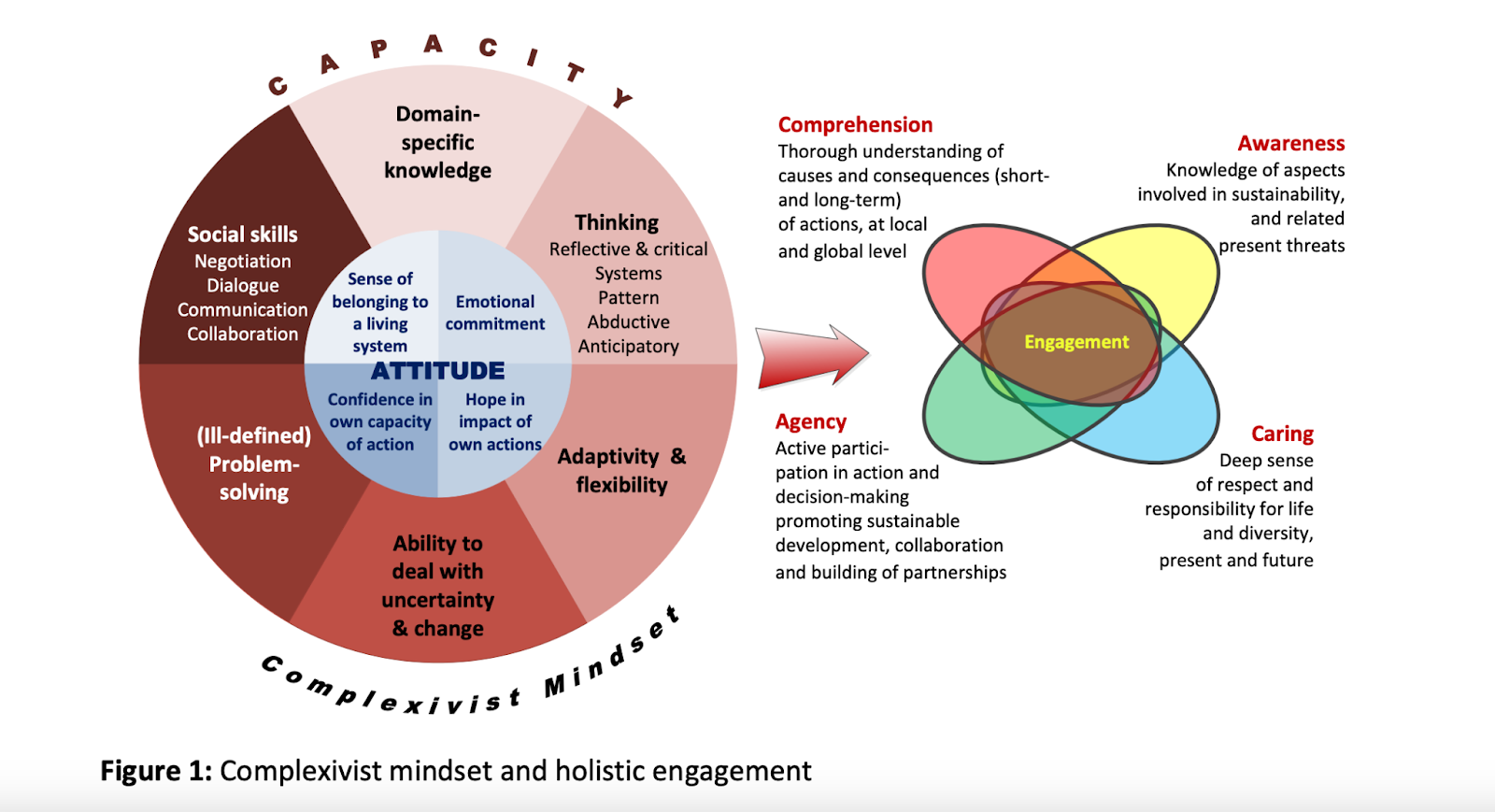

Reference: Fabricatore & Lopez, 2015


Collaborative teams take a proactive approach to problem-solving, identifying challenges early and developing contingency plans. They “continuously assess and refine your strategies, adapt to changing circumstances, and invest in the growth and development of your team members” (Orange Group, 2024). Understanding complexity theory could enhance continuous learning, foster a growth mindset and promote adaptability.  


Meeting the needs of diverse Learners 

Catering to diverse learners can be supported by the 'entanglement' of complexity leadership theory. For example, diverse learners must be identified through testing, assessments, and other formal practices administered by SENCO or the classroom teacher. Somewhere in this meeting of minds, 'entanglement' is enacted to identify and then, with more information, bureaucratic approaches and support would be put in place.  “A role of enabling leadership at the strategic level (Jaques, 1989), then, is to manage the coordination rhythms, or oscillations, between the relative importance of top-down, hierarchical dynamics and emergent complex adaptive systems” (Thomas, Kaminska-Labbé and McKelvey, 2005, cited in Uhl-Bien, et al 2007).


Complexity Leadership Theory acknowledges that learning and leading as a nonlinear process can accommodate the diverse learning needs of ākonga in Aotearoa.  Māori and Pasifika cultures often prioritise a holistic approach through, for example, Mātauranga Māori, where interconnectedness and relationship are central and acknowledge the spiritual world.  Moreover, Māori knowledge systems parallel those of collaborative approaches informed by complexity theory.  “... a relationship can emerge in which both stories are heard or indeed is a process where a new story is created by all the participants” (Bishop, Berryman, Cavanagh & Teddy, 2009).


Effective Learning Environments 

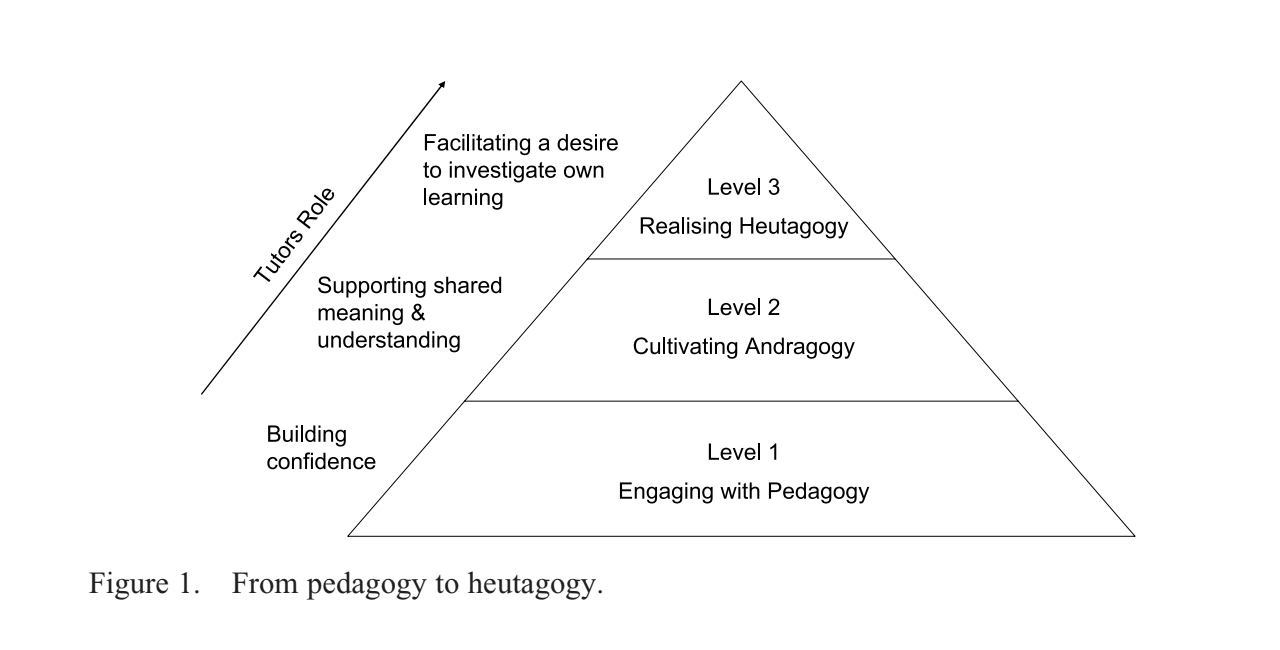
In today's world, complexity theory has become increasingly relevant, particularly in the education setting. Traditionally, education has often been teacher-centred, with a fixed curriculum dictating the learning process. “Even as the demands of a knowledge-based society call for more sophisticated teaching of much more complex skills, we have seen a return to the factory model of the early 19th century, with the hiring of underprepared teachers linked to the use of scripted curriculum intended to compensate for their lack of skills” (Darling-Hammond, 2010, p. 38).  The growing recognition of learning anywhere, anytime, through self-determined learning has been rising.  One challenge of Complexity Leadership Theory here is how we use the concept of heutagogy, which was first proposed in the early 2000s, to support the effective setting up of the learning environment.  According to Hase and Kenyon, 2007 “...capable people are more likely to be able to manage the world envisaged by complexity theory” (p. 114).


Culturally Responsive Solutions for Authentic Contextual Challenges 

Complexity Leadership Theory acknowledges the complex connections between factors like cultural backgrounds, socioeconomic status, and educational outcomes. By understanding these connections, kaiako can develop holistic solutions that consider the most appropriate learning conditions, such as our Learn, Create, Share pedagogy, and culturally responsive practices, i.e., getting to know the learner by sharing a bit about yourself with them.  In the context of an area school with diverse populations, strengths of Complexity theory could address the needs of Māori ākonga to achieve as Māori; disrupting the status quo on how teachers present at whānau hui, according to Hargreaves, 2022 “research indicates that 20-25 minutes of discussion is appreciated by Māori whānau, as compared to a five-minute slot” (n.p).  


References: 

Baltaci, A, & Balci, A. (2017). Complexity leadership: A theoretical perspective. International Journal of Educational Leadership and Management, 5(1), 30-58.


Bishop, R., Berryman, M., Cavanagh, T., & Teddy, L. (2009). Te kotahitanga: Addressing educational disparities facing Māori students in New Zealand. Teaching and teacher education, 25(5), 734-742.


Darling-Hammond, L. (2010). Teacher education and the American future. Journal of teacher education, 61(1-2), 35-47.


Fabricatore, Carlo & Lopez, Ximena. (2015). Higher education in a complex world: nurturing “chaordic” influencers. 10.13140/RG.2.1.3943.4644/1. 


Hargraves, V. (2022). Seven principles to effectively support Māori students as Māori. The Education Hub.

Jäppinen, A. K. (2014). Collaborative educational leadership: The emergence of human interactional sense-making process as a complex system. Complicity: an international journal of complexity and education, 11(2).


Orange Group, 2024. Building a Resilient and Agile Team in Times of Uncertainty. LinkedIn


Uhl-Bien, M., Marion, R., & McKelvey, B. (2007). Complexity leadership theory: Shifting leadership from the industrial age to the knowledge era. The Leadership Quarterly, 18(4), 298-318.

Hargraves, V. (2022). Seven principles to effectively support Māori students as Māori. The Education Hub.


Cross-cultural Collaboration

Enhancing Collaborative Practices

Building connections through cross-cultural collaboration can enhance members' relationships with different members of the team by presenting both similarities and differences they have in common.  Fostering a common goal builds a shared understanding while acknowledging that communication with members will be challenged so that the best solution can be found within the team.  According to Salazar and Salas (2013), a commitment to open communication and sustainable change, as well as acknowledging differences in biases and communication styles, can lead to misunderstandings or conflicts. Essentially, cross-cultural collaboration has the potential to accelerate intellectual and social growth.


Meeting the Diverse Needs of Learners through Cross-Cultural Collaboration

Collaboration across cultures provides diverse learners with the chance to express their thoughts verbally before documenting them in writing (O’Connor and McDonald, 2015, cited in Kumi-Yeboah, 2018).  Providing opportunities for students to get to know who you are as their teacher and to learn about what similarities and differences we have could enhance building relationships (Howard, Ilyashenko, & Jacobs, 2023; Kumi-Yeboah, 2018).  Another strength of cross-cultural collaboration is its ability to bring awareness to stereotyping and bias and shift the focus by acknowledging similarities and differences.  Using this common ground to enhance the diverse needs of the group fosters a more inclusive group mentality and breaks down stereotypes. A challenge may present itself by ensuring that open and transparent relationships have, first of all, been established. A continuous exchange of ideas can meet the needs of diverse learners.


Pedagogy

An inclusive, localised curriculum creates a foundation for diversity by encompassing perspectives, cultures, and histories related to the student’s context. Localised curriculum ensures students have access to comprehensive educational experiences.  Culturally responsive pedagogy enhances the learning process by aligning teaching methods with diverse student cultural backgrounds. Acknowledging and integrating this diversity within collaborative teams builds strong social relationships, a potent predictor of learning. “Hommes et al. (2012) highlighted social relationships with peers as a powerful predictor for learning” (cited in Mittelmeier, Rienties, Tempelaar, & Whitelock, 2018).  The design of collaborative learning spaces should be in consultation with the school community. These spaces are intentionally crafted to facilitate interaction, communication, and shared learning experiences. By breaking down physical and metaphorical barriers, collaborative learning spaces encourage students to work together, share perspectives, and appreciate the diversity that arises from cross-cultural collaboration, according to Sylvester, García, Ashencaen, Man & Parker ( 2020) and Putnam et al., (2011).


Culturally Responsive Solutions 

As a precursor, inclusive curriculum, culturally responsive pedagogy, community engagement, and collaborative learning spaces create an educational ecosystem where cross-cultural collaboration can thrive. It can prepare tamariki to navigate a globally interconnected world but also to value respect, empathise, and be open-minded, which enhances intercultural interactions (Luo & Jamieson-Drake, 2013).  This is reflected in our Coastal vision, “Ma te whānau, te tamaiti e pua—through collaboration,  our learners will thrive” (Coastal Taranaki School, 2018), which is enacted through the localised curriculum, CTS values, learner profiles, and the ‘tangas’: Kotahitanga, Taranakitanga and Maanakitanga.


Through the Manaiakalani Network, cross-cultural collaboration is utilised to enhance teacher knowledge through robust, authentic professional development, along with offering kaiako opportunities to use the Design Thinking Model and collaboration to solve authentic educational problems.  Actively engaging with the local community enriches learning experiences and fosters strong connections among kura, tamariki, whānau, and the wider community.


References

Howard, B., Ilyashenko, N., & Jacobs, L. (2023). Cross-cultural collaboration through virtual teaming in higher education. Perspectives in Education, 41(1), 74-87.


Kumi-Yeboah, A. (2018). Designing a cross-cultural collaborative online learning framework for online instructors. Online Learning, 22(4), 181-201.


Luo, J., & Jamieson-Drake, D. (2013). Examining the educational benefits of interacting with international students. Journal of International Students, 3(2), 85-101.


Mittelmeier, J., Rienties, B., Tempelaar, D., & Whitelock, D. (2018). Overcoming cross-cultural group work tensions: Mixed student perspectives on the role of social relationships. Higher Education, 75, 149-166.


Putnam, J. W., Putnam, D. E., Jerome, B., & Jerome, R. (2011). Cross-cultural collaboration for locally developed indigenous curriculum. International Journal of Multicultural Education, 13(2).


Salazar, M., & Salas, E. (2013). Reflections of cross-cultural collaboration science. Journal of Organizational Behavior, 34(6), 910-917.


Sylvester, O., García Segura, A., Ashencaen Crabtree, S., Man, Z., & Parker, J. (2020). Applying an Indigenous methodology to a North–South, cross-cultural collaboration: successes and remaining challenges. AlterNative: an international journal of indigenous peoples, 16(1), 45-54.


‌


Thursday, December 28, 2023

Summer Haiku #3

Golden sunlit days,
Nature's dance in warm embrace,
Summer whispers joy.


Source: DALL-E prompt digital art

Thursday, December 21, 2023

Xmas #4


Festive lights twinkle,
Joyful carols fill the air,
Christmas magic shines.

Source: DALL-E xmas twinkle


Thursday, December 14, 2023

Moving Haiku #2


Boxes taped and stacked,
Farewell echoes, memories packed,
New home, dreams unpacked.
Source: DALL-E, 'one-line drawing'


Thursday, December 7, 2023

Navigating Culturally Responsive Integration of Generative Artificial Intelligence

When integrating generative artificial intelligence (GenAI) in education, a critical evaluation of alignment with policies, professional development, and classroom practices is essential. This examination extends to assessing the effectiveness of strategies concerning the principles of Te Kanorautanga, Te Tangata, and Te Rangatiratanga domains as outlined by the Ministry of Education. The focus is on incorporating Māori aspirations and lived experiences in GenAI guidelines and learning materials to support a cohesive and culturally responsive approach in the classroom.

Emphasising Te Tangata highlights the importance of creating an educational environment free from racism, discrimination, and stigma, promoting inclusivity and combatting systemic biases. The principle of Te Rangatiratanga calls for empowering Māori communities, involving them in decision-making processes and respecting their cultural autonomy.

The critical evaluation aims to identify culturally responsive leadership practices for the successful implementation of the GenAI project. Additionally, within the framework of Ka Hikitia, collaboration with whānau, iwi, and Māori communities is crucial. GenAI, including platforms like ChatGPT, can contribute to respectful collaborations by providing individualised support, facilitating communication, and tailoring resources to meet the unique cultural and learning needs of Māori learners. This approach ensures that the integration of GenAI aligns with culturally responsive practices, fostering an inclusive and empowering educational environment.


Source: DALL-E prompt, culturally responsive GenAI aboriginal art in warm colours.

Navigating the Ethical Landscape: Unveiling Concerns and Opportunities in the Integration of GenAI Platforms in Education

The literature reveals that the utilisation of GenAI platforms raises concerns related to various human rights, encompassing privacy, equality, bias, cultural values, and the sovereignty of indigenous data. Privacy concerns emerge as student data processed, stored, and reused by GenAI becomes a focal point. Teachers utilising ChatGPT for marking work are cautioned by the Ministry of Education (MOE) against entering private information, with the acknowledgment that teacher judgment is crucial due to potential bias and data inequalities.

The risk of reflecting a 'Global North' perspective in comments on students' work is highlighted, given GenAI's skew towards Western views and proficiency in English. The absence of standardised guidelines at national and global levels in education demands attention, particularly with the anticipated integration of emerging technologies into various curriculum content areas. Despite the challenges of GenAI, it is acknowledged that OpenAI has been transparent about its limitations, cautioning against sole reliance on its output and emphasizing its potential inaccuracies. Notwithstanding the challenges, numerous opportunities emerge from the use of GenAI in education.

Source: DALL-E, foggy black and white photo


Reports Haiku Weekly Challenge #1


Reports all around.

Year’s end is drawing so near,

Holidays, we play!


Tuesday, December 5, 2023

Empowering Education: Navigating Opportunities and Challenges in the Integration of GenAI

The integration of generative artificial intelligence (GenAI) in education brings forth a multitude of opportunities and challenges. While high-skilled jobs stand to benefit from GenAI support, there is a current vulnerability among low-skilled workers to automation, including tasks like talk-to-text, editing, idea generation, and large-scale data processing. Within the realm of education, the careful consideration of GenAI's impact on job opportunities is crucial for curriculum development.

The ethical use of GenAI with a critical lens is emphasised to enhance students' awareness of bias, and training them to master these tools is seen as advantageous. GenAI's potential to support teaching and learning is evident in its applications, such as being a collaborative coach, guide on the side, or personal tutor. However, the importance of maintaining teacher involvement in planning processes is stressed, acknowledging their critical evaluation skills.

Despite concerns about bias and language limitations, leveraging ChatGPT can benefit students with diverse linguistic backgrounds, fostering enhanced communication and inclusivity in the learning environment. A human-centric approach is encouraged to ensure effective collaboration with machine learning and contribute to a sustainable, inclusive, and just society. The blog also addresses the challenges of GenAI integration in education, emphasising the need for continuous updates to e-learning policies and practices, especially in the rapidly evolving technological landscape.

The focus on the Learning and Teaching dimension underscores the importance of fostering discerning users and promoting higher-order learning, while the Professional Learning dimension highlights the need for collaboration, sharing, and ongoing teacher education to effectively integrate GenAI into educational settings. Recognising the significance of the impact of GenAI on education and the necessity for a balanced approach that combines technology with traditional teaching methods to maintain a well-rounded educational experience.

Sunday, December 3, 2023

Unleashing the Future: Exploring the Role of GenAI in Education

My assessment of generative artificial intelligence (GenAI) in education delves into the profound influence of GenAI, with a specific focus on groundbreaking developments like ChatGPT, which was introduced in November 2022, and its implications for the educational domain. The potential of GenAI is to revolutionize education by emulating human thought processes and generating diverse content. Importance is placed on digital fluency and digital literacy for learners, emphasising skills such as critical analysis, information access, and understanding of digital technologies. The significant opportunities presented by GenAI in education include immediate feedback, personalized learning, and collaborative classroom experiences. However, ethical concerns surrounding privacy, bias, and cultural implications need consideration and are addressed, noting the need for responsible use of GenAI technologies. Despite challenges, ChatGPT acknowledges transparency about limitations and biases, contributing to a balanced evaluation of the impact and implications of generative artificial intelligence in the educational domain.

Thursday, November 16, 2023

Designing Dreams: A Journey into 3D House Modelling

I am currently teaching Year 9 & 10 students have how to use the 3D house modelling programme HomeByMe to meet a clients brief:

Design Brief:

Kia ora, my name is Margaret, and I've recently won a significant sum of money to renovate my lounge and kitchen. However, my only challenge is that I have a specific style in mind for these spaces, and I'm unsure how to design it. Before I bring in the builders, I need your help in creating the perfect design.

There are a couple of key elements I'm aiming for:

  1. I would like an open plan layout.
  2. I prefer neutral colours for both the wallpaper and furniture.
  3. A modern look and style is crucial to me.
  4. I envision high ceilings and large windows with sliding doors to maximise natural light.
  5. I'm a fan of plants and would love to incorporate them generously into the design.
  6. Finally, I'd like to adorn the walls with some beautiful artwork.

I look forward to viewing a cohesive and visually appealing design.

Create:  Use Home.by.me to meet the brief.


Here is my introduction to this programme that I did with the Year 10 digital technology class today:

I look forward to sharing their finished products over the next could of weeks.

Friday, November 3, 2023

Embracing Diversity in Education: The Power of Responsive Pedagogy

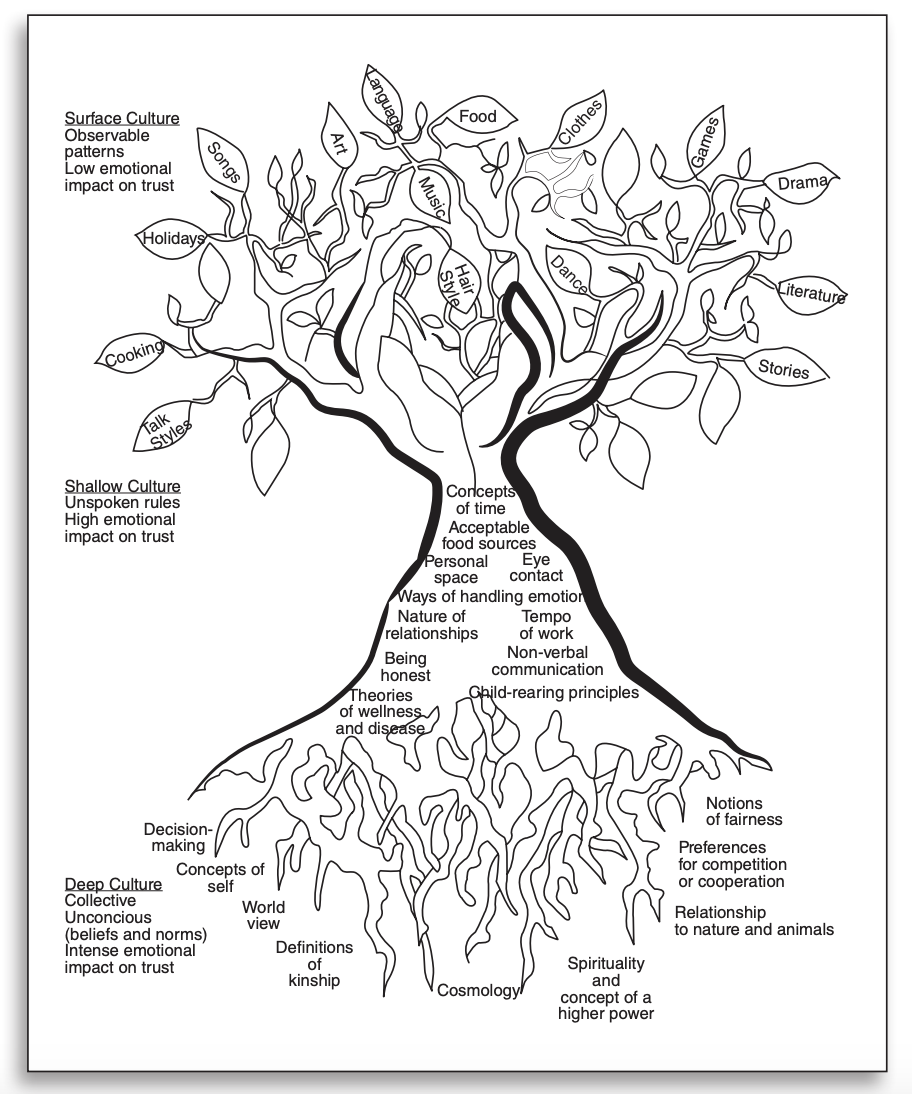
To effectively address global diversity within the educational landscape of Aotearoa, educators must integrate responsive pedagogy while navigating the complex path of understanding and embracing diverse cultural practices across various levels within the classroom. This journey involves recognising the nuances between surface, superficial, and deep cultural levels, as identified by Zaretta Hammond, wherein deep culture embeds itself within collective unconscious beliefs and norms. Mere Berryman's Mauri Ora model, encapsulating 'wānanga', 'ako', and 'mahi ngātahi', underscores the importance of fostering genuine connections between teachers and students while engaging whānau in dialogues that encourage power-sharing relationships and respect for educational aspirations.

Developing culturally responsive teaching involves recognising one's identity and heritage, being aware of personal biases, and embracing the principles outlined in Te Tiriti o Waitangi to build authentic relationships and promote an inclusive educational environment.

Wednesday, November 1, 2023

Addressing Cultural and Linguistic Challenges in Education - part 3

The challenges and opportunities of linguistic diversity in educational settings are paramount, as outlined by the ERO report focusing on culturally and linguistically diverse (CLD) learners. Educators confront obstacles in communicating with students and their families, particularly when the students have limited proficiency in the instructional language. Efforts to include families in classroom language learning and encourage teachers to learn students' home languages are underscored in the report. Culturally sustaining pedagogies play a crucial role in helping students maintain their linguistic and cultural identities within their communities. These approaches, while addressing challenges, also bring valuable strengths, including fostering cultural awareness, reducing racism, and enhancing inclusivity. The UNESCO principles emphasise the advantages of language diversity, presenting opportunities for enhanced literacy skills and greater intercultural understanding. Initiatives, such as bilingual programs and language groups, particularly modelled after successful approaches like kōhanga reo, are being promoted in Pacific communities. This progression reflects the evolving global landscape, underlining the benefits of embracing linguistic diversity to enrich the learning experience for all students.

Tuesday, October 31, 2023

Embracing Cultural Diversity: The Evolution of Teacher Practice and Policy in Aotearoa's Education - part 2

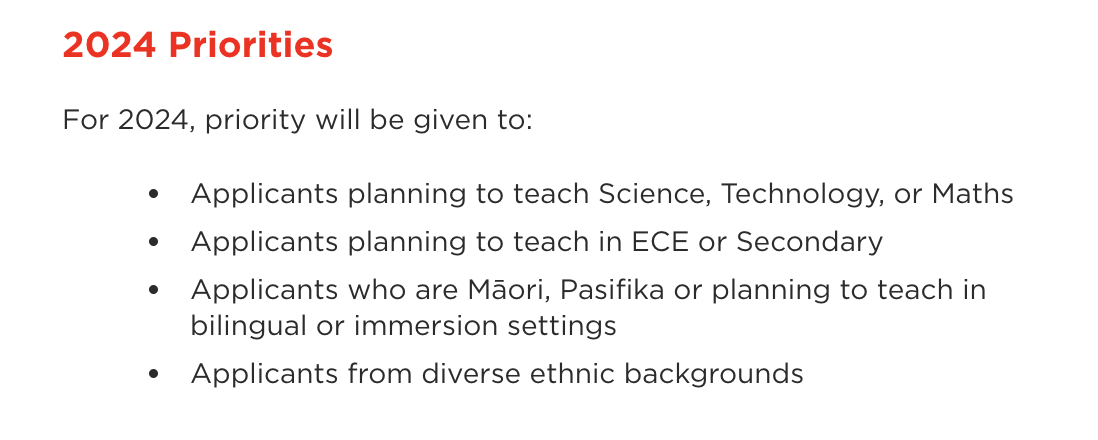
The landscape of teacher professional practice in New Zealand reflects an evolving commitment to culturally responsive education. Aotearoa emphasises cultural partnerships, grounded in Te Tiriti o Waitangi, shaping policies and practice in educational institutions. Despite consistent acknowledgments of the Treaty's importance, widespread implementation across schools has faced challenges. One such challenge involves the cultural gaps within classrooms, largely influenced by the lack of diversity among New Zealand teachers, primarily Pākehā and aging. Efforts to bridge this gap involve encouraging and supporting kaiako from diverse cultural backgrounds through incentives, scholarships, and specific support initiatives for Māori, Pasifika, and subject-specific teachers. The focus on cultural revitalisation and acknowledgment of diverse leadership in the 2024 Priorities underscores the commitment to addressing these gaps and creating a more inclusive and culturally diverse educational landscape in Aotearoa.

Tuesday, October 17, 2023

Charting the Future: Culturally Responsive Curriculum Development in New Zealand Education - part 1

New Zealand's curriculum refresh, specifically the impending release of Aotearoa New Zealand Histories in 2023, embodies a significant step in integrating Mātauranga Māori within educational policy. This initiative, informed by culturally responsive practices, emphasises Te Tiriti o Waitangi principles and incorporates a pedagogical approach, Te Mātaiaho, to guide educators in implementing the curriculum effectively. Te Mātaiaho prioritises progressions over outcomes, aligning with Te Tiriti o Waitangi and embracing inclusivity within a whakapapa framework, aiming to cater to all students. Educators are expected to engage in comprehensive understanding, critical analysis of historical information, and a student-centric approach, fostering relationships with learners, whānau, and the wider school community. However, challenges may arise when establishing connections with hapū and iwi, particularly in areas with multiple schools. The intended outcomes involve empowering teachers to involve students in locally focused projects, such as kaitiakitanga, promoting meaningful engagement and learning experiences.

Tuesday, October 3, 2023

Empowering Culturally Diverse Education in New Zealand: Fostering Inclusive Pedagogies - Introduction

Culturally responsive practices in the educational context of Aotearoa New Zealand, focusing on two main aspects: the development of curricula and the professional practices of teachers. It emphasises the growing global diversity in education, particularly in schools located in Auckland, which house a rich mix of ethnicities and languages. The Education Review Office (ERO) reports and the OECD highlight the increasing cultural diversity, projecting that a significant proportion of students in Auckland will identify as Asian by 2023. The New Zealand Curriculum (NZC) of 2007 is specifically outlined as reflecting the cultural diversity of the nation and valuing the traditions of all people. The discussion involves a critical evaluation of cultural and linguistic barriers and how culturally responsive pedagogy aligns with both global and national perspectives. Various terms associated with culturally responsive practices such as culturally responsive teaching, culturally responsive pedagogy, and culturally sustaining pedagogy, adopting the updated notion of sustaining pedagogies could support learners in maintaining their cultural and linguistic competence while also providing access to dominant cultural competencies (Paris, 2012).


Tuesday, September 5, 2023

Unveiling Heutagogy: A Critical Analysis and Global Perspective on Transformative Learning Practice

My first assignment critically evaluates heutagogy from both national and global standpoints while delving into its potential impact on cultural responsiveness. Originating in 2000 by Stewart Hase and Chris Kenyon, heutagogy is considered an extension of pedagogy and andragogy rather than a standalone theory. It encompasses various theoretical perspectives, including double-loop learning, learner-centered approaches, self-reflection, and a focus on capability over competence. Nationally, New Zealand emphasises learner-centered education through initiatives like the Curriculum Refresh and the National Education and Learning Priorities, aligning with heutagogical principles. There is a need for an educational paradigm shift, moving away from traditional industrial models toward an approach that nurtures creativity and innovation. Regarding its benefit for 21st-century learners, the essay highlights that heutagogy promotes knowledge sharing and supports the development of skills for the modern workforce. However, it points out that heutagogy falls short in addressing the potential of e-learning and digital technologies as a framework for its development. While the Ministry of Education emphasises a student-centered approach, the essay suggests that incorporating cognitive theories ie Zone of Proximal Development, could support heutagogical practices. The Ministry's vision aligns with heutagogical principles, fostering lifelong learning, student agency, and connectedness. Overall, the essay posits that heutagogy, while embracing learner-centered principles, could benefit from a more integrated approach with e-learning theories to better prepare learners for the digital era.

Monday, November 21, 2022

MIT 2022 Summary


Update: Here is my SSR+Q website


The problem I was observing in my classroom of Year 9/10 students at the start of the year was they were disengaged readers; they struggled to answer questions about unseen text, and they were unmotivated readers. 

My initial hunch was that students were challenged by answering higher order questions; they didn’t understand what the questions were asking, therefore ākonga could not search for the answer. The reading results were surprising in that the students struggled to answer lower level questions like recalling who is the main character or describing the setting? This contradicted my hunch. Therefore, my new statement became: how might we use skimming and scanning to support students questioning of unseen text.

Throughout this design learning process I refined this project by getting feedback from a variety of sources. First of all I introduced the SSR+q process using a paper copy of the text to a small group of ākonga. We skimmed down the text to decide what genre the text was and then scanned across, using highlighters. At this point I realised that explicit teaching was needed around keywords and proper nouns. I created a Hāpara workspace and used rewindable learning to shared resources and relevant videos. Once ākonga identified the key words and proper nouns they then read through the text for meaning and finally read and answered the questions. We completed this phase as an open group discussion, which led to great reflection on the process and understanding of the text. Thank you to the small group of ākonga that made this first phase possible.

From the feedback that I received from this group of ākonga, my MIT colleagues and other kaiako I had talked to, changes were implemented and applied to a digital setting. What was created next was a Hāpara workspace reflecting the Learn|Ako - Create|Hanga - Share|Tohatroha pedagogy. The Highlight Tool found in Google Docs, extensions was utilised to enhance learning and student motivation, in the 21st century.  Within the Highlighter Library different sections can be created for different genre ie non-fiction section where students added the words proper nouns, key words and speech marks, to highlight within their text. At this stage we just focused on non-fiction text. Here is an example of this workspace:


Once the class was up and running with this process I loaded up a variety of relevant stories from KiwiKidsNews.  

Wananga Presentation - Waipuna 2023:


Where to next:

I would like to continue to develop this tool to help students synthesis and summarise text so that they can put it into their own words.  This can be done by adding a few more steps after the skim, scan, read and questions. Here is an example: 


Sunday, November 20, 2022

Ngā Kupenga Raupī a Tāwhaki - The nurturing nets of Tāwhaki

 I recently attended a two day workshop presented by Te Papa Tongarewa and Evaluation Associates | Te Huinga Kākākura Matauranga. We were learning to connect to placed-based and local history, to support and deepen our understanding of weaving ANZ histories through our curriculum. Here are my highlights:

  • M.A.T.E.S - Mutually Agreed Team Expectations;
  • Whakawhanaungatanga - making connections to where you stand. What is your turangawaewae?
  • Cultural native around our kura: "Cultural narratives can provide the big picture for schools committed to ongoing development as culturally responsive and culturally located spaces. They can guide schools' decisions about the culture and curriculum in the school, and shape their connections with the wider community."
  • Visual thinking Strategies: was a new experience for me. I found this image from Puke Ariki that may work with this strategy:

What's going on in this image?


Integrating as many bigs ideas from the ANZ Histories was a key message from day one of this workshop. We looked at the MOE resources that was sent to schools; ANZH curriculum, Aotearoa NZ histories Part 1 & 2 and the cards that helped to support my knowledge of Understand, Know and Do. I like that you can see progressions across the age levels. This is relevant at my kura because we have students from Year 0 to Year 13.


Friday, October 28, 2022

Quick Questioning: SSR+Q Website

It was great to have the opportunity to present my MIT project to a large number of principals and Manaiakalani staff at the Waipuna Conference Centre.  I have been using Google Sites with my class since 2021 once I did the digital fluency intensive (DFI).  I have linked this website below.  

Currently I am working on finalising me Quick Questioning website.  I will share this link on this blog once it have been completed.