Thursday, November 16, 2023

Designing Dreams: A Journey into 3D House Modelling

I am currently teaching Year 9 & 10 students have how to use the 3D house modelling programme HomeByMe to meet a clients brief:

Design Brief:

Kia ora, my name is Margaret, and I've recently won a significant sum of money to renovate my lounge and kitchen. However, my only challenge is that I have a specific style in mind for these spaces, and I'm unsure how to design it. Before I bring in the builders, I need your help in creating the perfect design.

There are a couple of key elements I'm aiming for:

  1. I would like an open plan layout.
  2. I prefer neutral colours for both the wallpaper and furniture.
  3. A modern look and style is crucial to me.
  4. I envision high ceilings and large windows with sliding doors to maximise natural light.
  5. I'm a fan of plants and would love to incorporate them generously into the design.
  6. Finally, I'd like to adorn the walls with some beautiful artwork.

I look forward to viewing a cohesive and visually appealing design.

Create:  Use Home.by.me to meet the brief.


Here is my introduction to this programme that I did with the Year 10 digital technology class today:

I look forward to sharing their finished products over the next could of weeks.

Friday, November 3, 2023

Embracing Diversity in Education: The Power of Responsive Pedagogy

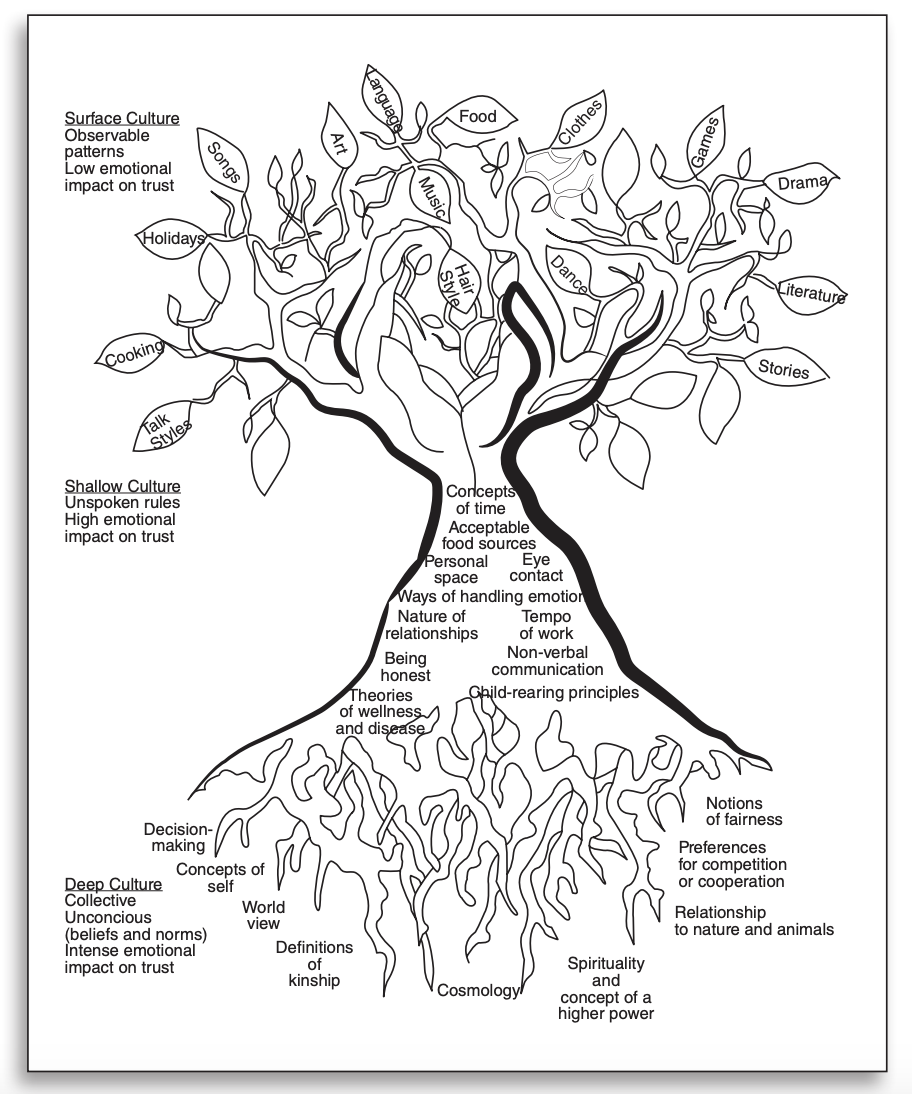
To effectively address global diversity within the educational landscape of Aotearoa, educators must integrate responsive pedagogy while navigating the complex path of understanding and embracing diverse cultural practices across various levels within the classroom. This journey involves recognising the nuances between surface, superficial, and deep cultural levels, as identified by Zaretta Hammond, wherein deep culture embeds itself within collective unconscious beliefs and norms. Mere Berryman's Mauri Ora model, encapsulating 'wānanga', 'ako', and 'mahi ngātahi', underscores the importance of fostering genuine connections between teachers and students while engaging whānau in dialogues that encourage power-sharing relationships and respect for educational aspirations.

Developing culturally responsive teaching involves recognising one's identity and heritage, being aware of personal biases, and embracing the principles outlined in Te Tiriti o Waitangi to build authentic relationships and promote an inclusive educational environment.

Wednesday, November 1, 2023

Addressing Cultural and Linguistic Challenges in Education - part 3

The challenges and opportunities of linguistic diversity in educational settings are paramount, as outlined by the ERO report focusing on culturally and linguistically diverse (CLD) learners. Educators confront obstacles in communicating with students and their families, particularly when the students have limited proficiency in the instructional language. Efforts to include families in classroom language learning and encourage teachers to learn students' home languages are underscored in the report. Culturally sustaining pedagogies play a crucial role in helping students maintain their linguistic and cultural identities within their communities. These approaches, while addressing challenges, also bring valuable strengths, including fostering cultural awareness, reducing racism, and enhancing inclusivity. The UNESCO principles emphasise the advantages of language diversity, presenting opportunities for enhanced literacy skills and greater intercultural understanding. Initiatives, such as bilingual programs and language groups, particularly modelled after successful approaches like kōhanga reo, are being promoted in Pacific communities. This progression reflects the evolving global landscape, underlining the benefits of embracing linguistic diversity to enrich the learning experience for all students.

Tuesday, October 31, 2023

Embracing Cultural Diversity: The Evolution of Teacher Practice and Policy in Aotearoa's Education - part 2

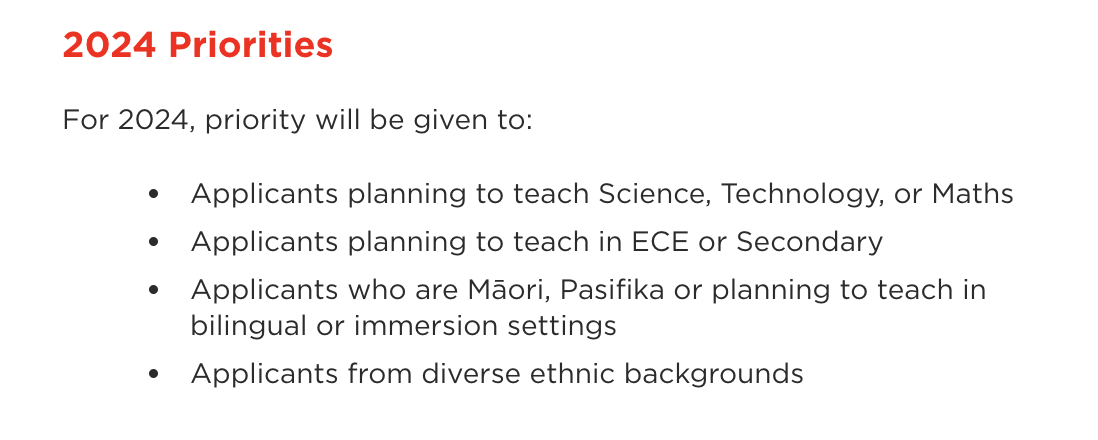
The landscape of teacher professional practice in New Zealand reflects an evolving commitment to culturally responsive education. Aotearoa emphasises cultural partnerships, grounded in Te Tiriti o Waitangi, shaping policies and practice in educational institutions. Despite consistent acknowledgments of the Treaty's importance, widespread implementation across schools has faced challenges. One such challenge involves the cultural gaps within classrooms, largely influenced by the lack of diversity among New Zealand teachers, primarily Pākehā and aging. Efforts to bridge this gap involve encouraging and supporting kaiako from diverse cultural backgrounds through incentives, scholarships, and specific support initiatives for Māori, Pasifika, and subject-specific teachers. The focus on cultural revitalisation and acknowledgment of diverse leadership in the 2024 Priorities underscores the commitment to addressing these gaps and creating a more inclusive and culturally diverse educational landscape in Aotearoa.

Tuesday, October 17, 2023

Charting the Future: Culturally Responsive Curriculum Development in New Zealand Education - part 1

New Zealand's curriculum refresh, specifically the impending release of Aotearoa New Zealand Histories in 2023, embodies a significant step in integrating Mātauranga Māori within educational policy. This initiative, informed by culturally responsive practices, emphasises Te Tiriti o Waitangi principles and incorporates a pedagogical approach, Te Mātaiaho, to guide educators in implementing the curriculum effectively. Te Mātaiaho prioritises progressions over outcomes, aligning with Te Tiriti o Waitangi and embracing inclusivity within a whakapapa framework, aiming to cater to all students. Educators are expected to engage in comprehensive understanding, critical analysis of historical information, and a student-centric approach, fostering relationships with learners, whānau, and the wider school community. However, challenges may arise when establishing connections with hapū and iwi, particularly in areas with multiple schools. The intended outcomes involve empowering teachers to involve students in locally focused projects, such as kaitiakitanga, promoting meaningful engagement and learning experiences.

Tuesday, October 3, 2023

Empowering Culturally Diverse Education in New Zealand: Fostering Inclusive Pedagogies - Introduction

Culturally responsive practices in the educational context of Aotearoa New Zealand, focusing on two main aspects: the development of curricula and the professional practices of teachers. It emphasises the growing global diversity in education, particularly in schools located in Auckland, which house a rich mix of ethnicities and languages. The Education Review Office (ERO) reports and the OECD highlight the increasing cultural diversity, projecting that a significant proportion of students in Auckland will identify as Asian by 2023. The New Zealand Curriculum (NZC) of 2007 is specifically outlined as reflecting the cultural diversity of the nation and valuing the traditions of all people. The discussion involves a critical evaluation of cultural and linguistic barriers and how culturally responsive pedagogy aligns with both global and national perspectives. Various terms associated with culturally responsive practices such as culturally responsive teaching, culturally responsive pedagogy, and culturally sustaining pedagogy, adopting the updated notion of sustaining pedagogies could support learners in maintaining their cultural and linguistic competence while also providing access to dominant cultural competencies (Paris, 2012).


Tuesday, September 5, 2023

Unveiling Heutagogy: A Critical Analysis and Global Perspective on Transformative Learning Practice

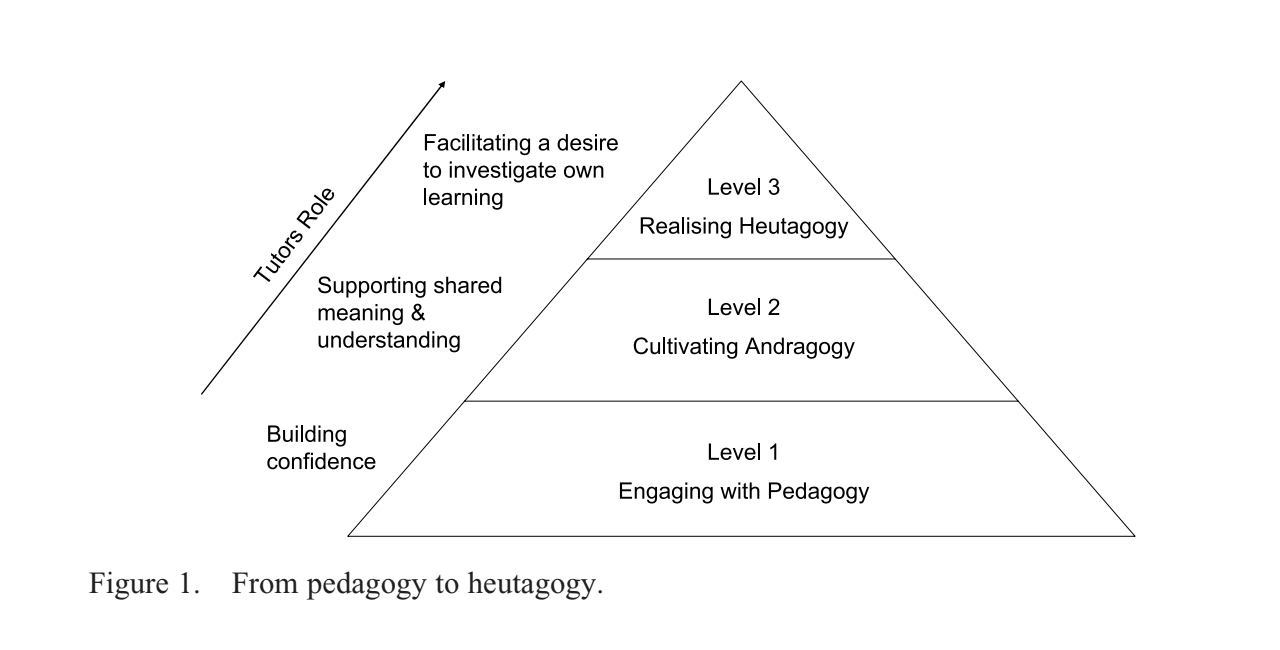
My first assignment critically evaluates heutagogy from both national and global standpoints while delving into its potential impact on cultural responsiveness. Originating in 2000 by Stewart Hase and Chris Kenyon, heutagogy is considered an extension of pedagogy and andragogy rather than a standalone theory. It encompasses various theoretical perspectives, including double-loop learning, learner-centered approaches, self-reflection, and a focus on capability over competence. Nationally, New Zealand emphasises learner-centered education through initiatives like the Curriculum Refresh and the National Education and Learning Priorities, aligning with heutagogical principles. There is a need for an educational paradigm shift, moving away from traditional industrial models toward an approach that nurtures creativity and innovation. Regarding its benefit for 21st-century learners, the essay highlights that heutagogy promotes knowledge sharing and supports the development of skills for the modern workforce. However, it points out that heutagogy falls short in addressing the potential of e-learning and digital technologies as a framework for its development. While the Ministry of Education emphasises a student-centered approach, the essay suggests that incorporating cognitive theories ie Zone of Proximal Development, could support heutagogical practices. The Ministry's vision aligns with heutagogical principles, fostering lifelong learning, student agency, and connectedness. Overall, the essay posits that heutagogy, while embracing learner-centered principles, could benefit from a more integrated approach with e-learning theories to better prepare learners for the digital era.